

Therefore, in this article, we will delve into what this process looks like and share our key recommendations for executing a successful implementation that delivers high added value for both users and organizations.
The first point to consider—even before thinking about the technological solution and the implementation itself—is how to design an intelligent assistant with a focus on user experience.
For practical purposes, designing a bot is quite similar to designing a standard application. When a professional sketches a new application, they approach the design and build in terms of user need flows to be resolved through various interrelated screens. Analogously, when faced with the challenge of designing an automated chat, those user needs must be mapped to conversational flows, or more precisely, dialogues instead of forms.
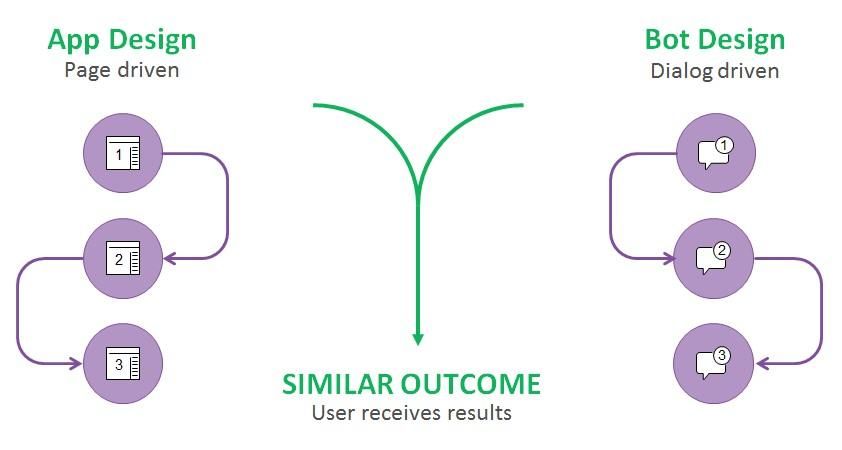
Figure 1: Application design vs. bot design
The key to success, then, lies in conducting a thorough preliminary analysis of the needs of the people who will interact with the chat, identifying the main flows the assistant must cover to resolve user requests. We recommend approaching this analysis from three distinct yet complementary perspectives to achieve a valuable solution.
The first step is to understand our customers: What are their tastes and habits? What are their pain points? What is their profile? What are they looking for, and how do they want to use our services? Finding the right answers to these questions will put us on the correct path toward designing our assistant.
Next, we must identify how we will improve the user's digital experience: What information will they request, and how do they wish to navigate it? What additional data can we provide them? How will we structure this information to deliver a seamless experience? Resolving these questions guides us regarding the capabilities the chat will feature and enables us to set valid expectations for both the company and end users.
Finally, the third perspective to consider is how to build Customer-Centric technological capabilities: How do we ensure our bots are accurate? What languages and localized phrasing should we use to communicate with users? Does our assistant adopt an omnichannel approach? How will we enhance customer experience through our automated chat? In this way, we can guarantee a product that meets expectations, offers an aligned experience, and continues its natural, ongoing evolution as new capabilities are incorporated.
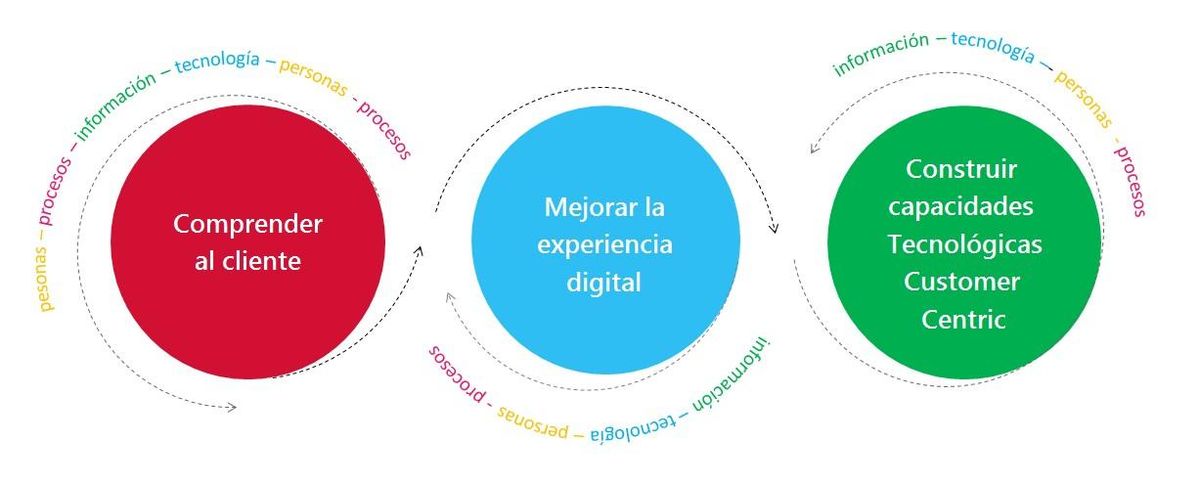
Figure 2: Intelligent Assistant design process
Taking all the above into account and having successfully navigated the analysis phase, the next natural question arises: How can I build an intelligent assistant?
In the third and final chapter of the series, we will discuss the technical and technological considerations to keep in mind when designing it, as well as how to move forward with its construction using various components currently available on the market.
Until next time!